Medications and Pharmacies in Panama: US vs Panama Guide
Medication is the quiet deal-breaker in many moves. Pharmacies in Panama are well stocked, and many drugs cost less than in the US. The rules, the names, and the habits differ, though, and a few drugs are hard to find. This guide shows how the system works, how it compares with the US, how to check your own medications before you move, and what to do if an important drug is missing.
How pharmacies work in Panama
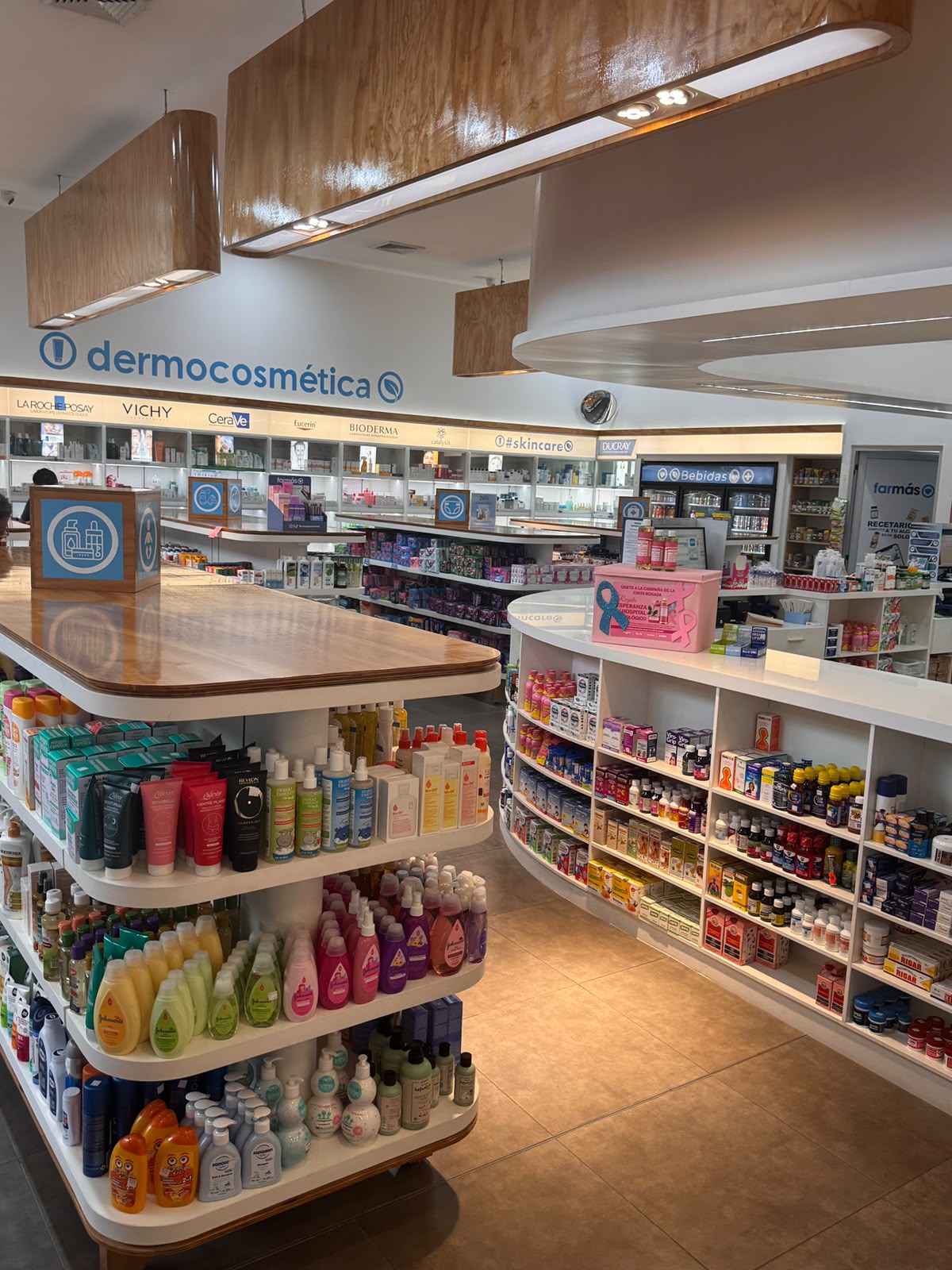
- Chains. The big names are Farmacias Arrocha, Metro Plus (part of the El Rey supermarket group), and Farmacias El Javillo. Larger branches look like drugstores, with general products on open shelves and a pharmacist's counter at the back for stronger or restricted medicines.
- Hours. Arrocha branches typically open daily from 7:00 a.m. to 10:00 p.m., and El Javillo branches from about 6:00 a.m. to 9:30 p.m. Independent pharmacies keep shorter hours.
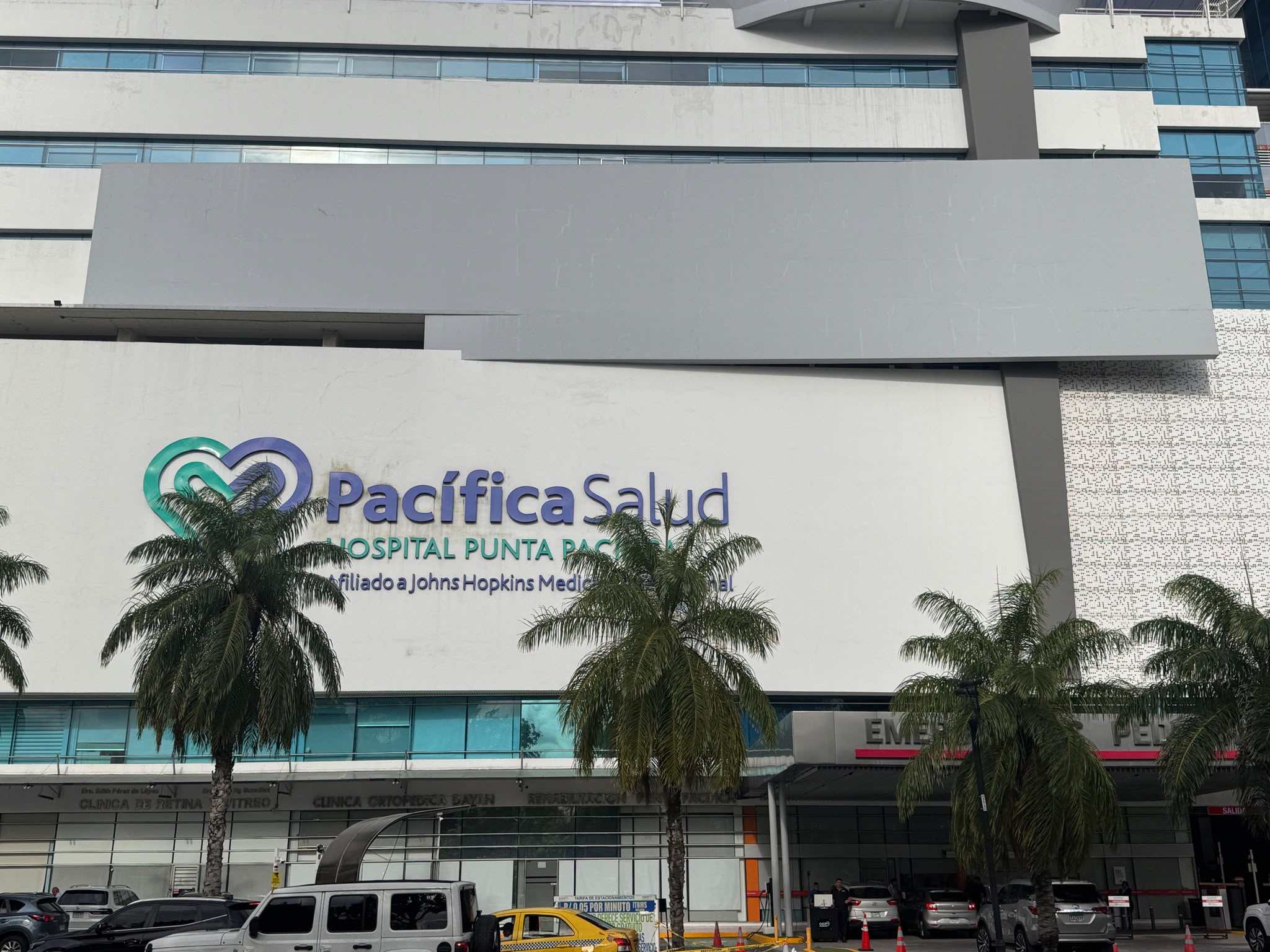
- Round the clock. The pharmacies inside the Pacífica Salud hospitals at Punta Pacífica and Costa del Este operate 24 hours.
- Delivery. The big chains deliver. For prescription drugs, they usually ask you to send a photo of the prescription by WhatsApp. Apps such as PedidosYa deliver only over-the-counter products.
- MedicApp. This is a free government tool, created by the Ministry of Health and the innovation authority. It shows prices at private pharmacies within a radius around you, and it also shows availability at public polyclinics. Pharmacies are required to keep their listings current. Stock changes quickly, so call or message the pharmacy before you rely on a listing.
Panama and the US at a glance
Topic | United States | Panama |
Over-the-counter | Self-service aisle with a large range | Many products on open shelves, stronger ones behind the counter. Brand names and mixtures often differ |
Prescription drugs | Prescribed by a US-licensed provider, refills are routine | Paper prescription from a Panamanian doctor, generally valid up to six months, and renewals need a visit |
Antibiotics | Prescription required | Non-topical antibiotics require a prescription under the regulations |
Controlled drugs | DEA schedules and strict rules | An official list of permitted substances and special prescriptions. Some drugs that are common in the US may be restricted or unavailable |
How rules are applied | Consistently | Varies by pharmacy and by drug, so do not count on a sale without a prescription |
Paying | Insurance and copays | Cash at the full price unless your insurance covers it, so check your plan |
Prices | High, with big differences | Often lower. A few drugs cost more, and generics are cheaper |
Finding a drug | Insurer tools and pharmacy apps | MedicApp, chain websites, and a WhatsApp message to the pharmacy |
Prescriptions: the law and the practice
Panama's medicines law sorts drugs into groups. Some products can be sold freely, even outside pharmacies. Others are sold without a prescription, and only in pharmacies. Some require a prescription, and controlled substances require a special numbered prescription. By regulation, non-topical antibiotics, psychotropic drugs, narcotics, and any product labeled for sale by prescription belong in the prescription groups. Strong painkillers, benzodiazepines, and sleeping pills are typical examples.
In daily life, pharmacies apply these rules unevenly. One pharmacy may ask for a prescription for a drug that another sells without one. Do not build your plan around that gap. A pharmacy can be fined for an improper sale, and a drug you could buy last month may require a prescription this month.
- See a local doctor early. Register with a general practitioner soon after you arrive and bring your medical history, your medication list, and recent lab results. Panamanian doctors write the prescriptions that pharmacies accept without discussion.
- Do not count on your US prescription. Some pharmacies may fill a foreign prescription for a non-controlled drug. It does not carry the weight of a local one. For controlled drugs, a local prescription is required.
- Plan renewals. Prescriptions are on paper and usually valid for up to six months, and renewals generally need an in-person visit. Pharmacists do not hand out emergency refills, so book the appointment before your supply runs out.
- Know the strictest group. ADHD stimulants, benzodiazepines, and opioid painkillers sit in the controlled group. Ask before you move whether your exact drug is allowed and available, because the list of permitted controlled substances is set by an official list.
Prices and discounts
Many medicines cost less than in the US, and some cost more. Certain branded products, including some antidepressants, can be pricier, so compare the exact drug before you assume a saving. Generics are usually cheaper, and most pharmacies stock them.
- Compare like with like. Check the active ingredient, strength, form, and package size, and ask whether a quoted price is per pill, per blister, or per box.
- Pensionado discounts. Retirees with a Pensionado visa, and some older residents, receive a legally mandated discount on medicines. Sources cite 10 to 20 percent depending on the law and the pharmacy, so ask what the pharmacy applies and which documents it needs.
- Prices may drift down. A 2024 law on centralized purchasing of medicines is projected to lower retail prices by 20 to 30 percent over time. Do not budget for that yet.
- Insurance. Coverage of medications differs by plan. Ask whether your policy pays for them, and whether you pay first and claim later.
Before you move: check every medication
- Write a list with the brand name, the generic name, the strength, the form (tablet, extended-release, liquid, injection), how much you take, whether it needs refrigeration, and whether it is a controlled drug.
- Search by the generic name. A drug sold under one brand in the US often has a different name in Panama.
- Check MedicApp and the chain websites, then message two or three pharmacies directly. Send the generic name, strength, and form, and a photo of the label.
- Ask your doctor before you swap a brand, strength, or form. A similar name does not mean the same drug.
- Ask a hospital pharmacy about specialty drugs, injectables, and biologics, which neighborhood pharmacies may not stock.
A message you can send to a pharmacyHola, ¿tienen en existencia [generic name] [strength] en [form]? ¿Cuál es el precio por caja de [quantity]? Si no lo tienen, ¿pueden pedirlo y cuánto tarda? In English: Hello, do you have [generic name] [strength] in [form] in stock? What is the price per box of [quantity]? If you do not have it, can you order it, and how long does it take? |
Bringing medication with you
- Keep every medicine in its original pharmacy-labeled packaging. Do not move tablets into pill boxes.
- Carry a recent prescription and a short letter from your doctor with the diagnosis and the treatment, especially for injectables and controlled drugs.
- Bring a personal-use quantity. Quantities that look like more than personal use can raise questions at customs, whatever the paperwork says.
- Check whether your drug is controlled or restricted in Panama before you travel.
Panama's 2024 medicines regulation says that travelers and residents will not have their medicines seized if the import is for personal use and the paperwork is in order. The Ministry of Health lists a detailed purchase invoice, a copy of your passport, and a prescription among the documents, and it names a prescription from a Panamanian doctor. Ask the Ministry's pharmacy and drugs directorate whether a foreign prescription works in your case. If customs holds a medicine, you submit the documents at the directorate's import office to request its release.
If your drug is not available in Panama
- Ask for an equivalent. Your Panamanian doctor or a pharmacist can suggest a drug with the same active ingredient. Do not substitute on your own.
- Ask for a special order. Pharmacies can often order a drug, and hospital pharmacies can obtain items that neighborhood pharmacies do not carry. Ask how long it takes.
- Ask your doctor about an import exception. Panama's health authority can authorize the import of a medicine that has no Panamanian registration when it is not available in the local market. The request comes with a medical justification, typically from your doctor or a hospital. It takes time, so start early.
- Bring or ship a supply, legally. A personal-use supply that you carry in is the simplest route. If you have medication shipped through a mail-forwarding service, confirm in writing that the forwarder accepts it, that you may import it for personal use, and how it will be kept at the right temperature. Controlled drugs and refrigerated drugs need special care.
- Restock on trips home. Many expats refill during visits to the US or Canada, within personal-use limits and with the original packaging.
- Never stop abruptly. If a drug runs short, call your doctor immediately. A gap in treatment can be worse than a switch.
If you are a veteran, a retiree, or Canadian
Medicare Part D generally does not pay for prescriptions filled outside the US, and provincial drug plans in Canada end with a permanent move. Veterans have a few options. The VA Foreign Medical Program can reimburse prescribed medication for service-connected conditions, and TRICARE and CHAMPVA beneficiaries usually pay first and claim later. The CHAMPVA Meds by Mail service is not available overseas. Keep every receipt and prescription, and see our guide for veterans for the details.
Keep your medicines safe
- Buy only from licensed pharmacies, and check the packaging and the expiration date.
- Store medicines away from heat and humidity, and plan for refrigerated drugs during power outages.
- Keep a printed list of your medications and generic names in your wallet and in your phone.
Takeaway
|
This article is general information and not medical or legal advice. Medication rules, availability, and prices change. Confirm your treatment plan with a doctor or pharmacist, and verify import rules with the Ministry of Health before you ship or carry medication.
On our Health & Wellness tour, we visit a pharmacy, and you can ask the pharmacist about your own medications on the spot.